turn laptop to wifi hotspot

Title: Laptop sebagai Hotspot WiFi 2025 Panduan Lengkap
Channel: ReviewQuasar
Laptop sebagai Hotspot WiFi 2025 Panduan Lengkap by ReviewQuasar
turn laptop to wifi hotspot, can you turn your laptop into a wifi hotspot, how do i turn my laptop into a hotspot, can i use my laptop as a wifi hotspot
Turn Your Laptop into a WiFi Hotspot: The SHOCKINGLY Easy Trick!
Unleash the Wi-Fi Wizard Within: Transform Your Laptop into an Instant Hotspot!
Have you ever found yourself in a Wi-Fi wasteland? That frustrating moment when connectivity deserts you. Consider the possibilities of a personal Wi-Fi haven. Your laptop can, in fact, become your secret weapon. It can act as a Wi-Fi hotspot, broadcasting a signal wherever you roam. This simple trick unlocks a world of convenience.
The Surprisingly Simple Secret: Hardware & Software Harmony
Before you envision complex setups, know this: setting up a hotspot is surprisingly straightforward. Your laptop is already partially equipped. It possesses the necessary hardware. Most modern laptops have built-in Wi-Fi adapters. These adapters are key for sharing your internet connection. The software side is just as accessible. Windows and macOS offer built-in tools. These tools allow you to configure a mobile hotspot with ease. Therefore, you're just a few clicks away from Wi-Fi freedom.
Unveiling the Windows Wi-Fi Hotspot Maestro
Let us explore how to turn your Windows laptop into a hotspot. First, ensure your laptop is connected to the internet. This could be through Ethernet or another Wi-Fi network. Next, navigate to your Windows settings. You can find this in the Start menu. From there, search for "Mobile Hotspot". Select the "Mobile Hotspot" settings. You will see the option to share your internet connection. Choose the source of this connection. Then, you'll get to name your hotspot. Also, create a secure password. Make sure your password is strong! Finally, toggle the "Share my internet connection with other devices" switch to "On". In a flash, your laptop is now broadcasting Wi-Fi. Consequently, other devices can connect and enjoy internet access.
Decoding the macOS Hotspot Code: A Mac's Magical Touch
Mac users, fear not! The process on macOS is just as elegant. First, ensure your Mac has an active internet connection. You may connect via Ethernet or Wi-Fi. Next, access your System Preferences. You can click the Apple icon in the top-left corner of your screen. Then, choose "Sharing”. In the Sharing panel, locate "Internet Sharing". Check the box next to it to activate it. Choose the way to share your connection. Select the source of your internet from the "Share your connection from" dropdown. Then, you’ll need to select the connection type (e.g., Wi-Fi). Click "Wi-Fi Options". Input a network name, select a security type (WPA2 Personal is recommended), and set a password. Click “OK” and then enable Internet Sharing. Now, your Mac is a Wi-Fi hotspot. It's ready to provide wireless connectivity to your gadgets.
Troubleshooting Common Connectivity Conundrums
While the setup is generally seamless, occasionally, you might encounter a few hiccups. Firstly, ensure your Wi-Fi adapter is enabled on your laptop. Sometimes, it gets disabled. Secondly, check your internet connection. Make sure your laptop has internet access. Thirdly, confirm your firewall settings aren't blocking the hotspot functionality. Furthermore, verify that your password is typed correctly when connecting other devices. If problems persist, restart your laptop. This simple action resolves many issues. Double-check your network adapter drivers. Keep them updated for optimal performance. Finally, consult online resources. These resources offer detailed troubleshooting guides.
Beyond the Basics: Elevating Your Hotspot Expertise
Once you master the basic setup, several advanced options await. You can customize your hotspot’s settings. You could limit the number of devices connecting. You could also monitor data usage. This helps conserve your internet bandwidth. Consider using a Wi-Fi analyzer app. Such an app can help you select the best channel. This optimizes performance and minimizes interference. Experiment with different settings. Find what works best for your specific needs. In time, you'll become a Wi-Fi hotspot expert.
The Perks of a Personal Wi-Fi Oasis
Having a personal Wi-Fi hotspot provides numerous advantages. It's exceptionally useful while traveling. You can connect multiple devices. It solves the problem of limited Wi-Fi access. You can share your internet connection with others. Family and friends benefit from it. Enjoy internet access on the go. Moreover, it proves invaluable in emergencies. Stay connected during power outages. Get access to crucial information. Therefore, transforming your laptop into a Wi-Fi hotspot is a smart move.
Final Thoughts: Embracing the Power of Portable Wi-Fi
Turning your laptop into a Wi-Fi hotspot is not just a trick. It's a skill every tech-savvy individual should possess. It brings freedom and flexibility to your digital life. As a result, you are no longer at the mercy of unreliable public Wi-Fi. You are now the master. You can create your private network. So, embrace the easy steps. Enjoy a constant, portable, internet connection. It's a game changer. Start enjoying the benefits of your personal Wi-Fi.
iPhone to Laptop WiFi: The SHOCKINGLY Simple Trick You NEED!Turn Your Laptop into a WiFi Hotspot: The SHOCKINGLY Easy Trick!
Ever been stranded with a dead phone battery and a desperate need to check emails? Or perhaps you’re stuck in a hotel with ridiculously slow, ridiculously expensive Wi-Fi? Don't you just wish you could conjure a personal Wi-Fi cloud, a digital oasis of connectivity, right there from your laptop? Well, hold onto your hats, because we're about to delve into a secret so simple, so utterly straightforward, that it'll make you wonder why you haven't been doing this for years. Forget fiddling with complex settings or shelling out for expensive gadgets. We're talking about harnessing a hidden power within your very own laptop. Intrigued? Let's dive in!
1. The Wi-Fi Whisperer: Unveiling the Power Within
Think of your laptop as a versatile Swiss Army knife of the digital world. It does everything, right? From writing essays to streaming movies to, yes, acting as a Wi-Fi hotspot. The ability to share your internet connection is often tucked away, like a hidden gem, waiting to be discovered. Most modern laptops come equipped with the necessary hardware, and the software is usually pre-installed, just begging to be unleashed. It's like having a superhero suit in your closet; you just need to know how to put it on.
2. Why Bother? The Undeniable Perks of a Laptop Hotspot
Before we get into how to do it, let's talk about why. Why should you bother turning your laptop into a Wi-Fi hotspot? The benefits are numerous and, frankly, rather awesome:
- Instant Connectivity Anywhere: Imagine being able to connect your tablet, phone, or even a friend's device to the internet, regardless of whether you have a dedicated Wi-Fi network. Suddenly, that train journey, that park bench, that remote cabin becomes a digital haven.
- Cost Savings: Tired of paying for multiple Wi-Fi connections? Share your laptop's internet with your other devices and save some serious cash. Think of it as a digital potluck, where everyone contributes with their internet access.
- Emergency Backup: Got a slow or unreliable home internet connection? Your laptop can become a lifeline. It's like having a spare tyre – always ready when you need it.
- Guest Access Made Easy: Hosting guests? Skip the hassle of sharing your Wi-Fi password. Create a dedicated hotspot for them and keep your personal network secure.
3. Windows Wizards: The Step-by-Step Guide for Windows Users
Okay, Windows users, this one's for you. The process is remarkably simple. We're basically going to use the built-in capabilities of your operating system. No need to download any third-party software. This is all native power at your fingertips.
- The Gateway to Hotspot: Click the Windows Start button and then select Settings. Yep, the spanner icon.
- Network & Internet: In the Settings window, click on Network & Internet.
- Mobile Hotspot: On the left-hand side, you'll find Mobile hotspot. Click on it.
- Share Your Internet Connection: Here, you'll see a toggle switch labeled "Share my internet connection with other devices." Click to switch it On.
- Edit the Settings: Click the "Edit" button next to "My Wi-Fi name and password." Here, you can choose a network name (SSID) and a password for your hotspot. Make it something memorable and secure!
- Choose Your Internet Source: The "Share my internet connection from" option tells Windows where to pull the internet from. Typically, this will be your Wi-Fi adapter if you're connected to a Wi-Fi network, or your Ethernet adapter if you're using a wired connection. Select appropriately.
- Connect and Enjoy: On your phone or other devices, search for Wi-Fi networks, select the new network name (SSID) you created, enter the password, and voila! You're connected.
4. Mac Mavericks: How to Create a macOS Hotspot
Fear not, Mac users! The process on macOS is just as smooth and elegant. Apple, as always, makes things delightfully simple.
- Open System Preferences: Click the Apple menu in the top left corner of your screen and select System Preferences.
- Choose Sharing: Click on the Sharing icon.
- Internet Sharing: In the left-hand pane, select Internet Sharing.
- Share Your Connection From: Click the dropdown menu next to “Share your connection from” and choose the source of your internet connection (Wi-Fi or Ethernet).
- To Computers Using: Tick the box next to "Wi-Fi."
- Wi-Fi Options: Click the "Wi-Fi Options…" button. Here, set your Network Name (SSID) and password. Remember to make it secure!
- Start Sharing: Tick the checkbox next to “Internet Sharing” to start your hotspot. A green dot will confirm that the hotspot is active.
- Connect Your Devices: On your phone or other devices, search for Wi-Fi networks, select the new network name you created, enter the password, and enjoy!
5. Security First: Protecting Your Digital Fortress
Creating a hotspot is incredibly useful, but remember, security is paramount. Think of your Wi-Fi hotspot as a virtual extension of your home network. You wouldn't leave your front door unlocked, would you?
- Use a Strong Password: Never use a weak or easily guessable password. Opt for a combination of uppercase and lowercase letters, numbers, and symbols. Think of it like a digital vault; the stronger the lock, the safer your data.
- Choose WPA2/WPA3 Encryption: This is the most secure type of encryption available for Wi-Fi networks. It scrambles the data transmitted over your network, making it difficult for anyone to intercept and read it.
- Monitor Connected Devices: Keep an eye on which devices are connected to your hotspot. If you see any unfamiliar devices, kick them off by changing the password.
- Keep Your Laptop Secure: Ensure your laptop has up-to-date antivirus software and a firewall. This is the foundation of your digital security.
6. Troubleshooting Troubles: Common Challenges and Solutions
Sometimes, things don't go exactly to plan. Your hotspot might not be working, or your devices might not be connecting. Don't fret! Here are some common issues and their solutions:
- Can't Find the Hotspot: Double-check that you've turned on the function and that you haven't made a typo in the network name. Try restarting your laptop and the device you're trying to connect.
- Slow Connection: Your laptop's Wi-Fi adapter might be struggling to handle multiple devices simultaneously. Reduce the number of connected devices or move closer to your laptop.
- Internet Not Working: Make sure your laptop is actually connected to the internet through Wi-Fi or Ethernet. Also, check your internet plan for data limits.
- Password Issues: Verify you're entering the correct password. Is Caps Lock on? Is there a space at the beginning or end?
7. Beyond the Basics: Customizing Your Hotspot Experience
Once you've mastered the basics, you can experiment with additional settings to customize your hotspot experience.
- Limit Data Usage: Some operating systems allow you to set a data limit for your hotspot, preventing runaway data consumption.
- Change the Channel: Interference from other Wi-Fi networks can sometimes affect your hotspot's performance. You might be able to change the Wi-Fi channel in your settings to improve speed.
- Power Saving: Consider adjusting your laptop's power settings to optimize battery life while the hotspot is active. It's a balancing act between convenience and longevity.
8. The Power of Your Laptop: A Portable Productivity Powerhouse
Think of your laptop, now equipped with the power to create a Wi-Fi hotspot, as a mobile productivity powerhouse. The freedom to connect anywhere, anytime, transforms your laptop from a mere tool into a versatile hub for work and play.
9. Unleashing the Freedom: Working and Playing on Your Terms
Working on the go? Catching up on your favorite shows during a commute? Your laptop's hotspot grants you this freedom. You're no longer confined to the limitations of public Wi-Fi or the expense of tethering your phone.
10. The Evolution of Connectivity: From Dial-Up to Desktop Hotspots
Remember the days of dial-up? How far we've come! From clunky modems screeching into action to the sleek, seamless connectivity of today. Your laptop's hotspot is a testament to that evolution, a pocket-sized portal to the digital world.
11. Beyond Wi-Fi: The Ethernet Alternative for Enhanced Speeds
While Wi-Fi is great for convenience, for maximum speed and stability, consider using a wired Ethernet connection from your laptop to your router. This is especially crucial if you're planning to share a high-bandwidth connection.
12. A Note on Data Usage: Staying Within Your Limits
Be mindful of your data allowance. Sharing your internet connection can quickly eat into your monthly bandwidth, particularly if
Unlock Your QNAP NAS: Access it Wirelessly from Your Laptop!Cara Membuat Hotspot WiFi dengan Windows 7

By 1stepatatime Cara Membuat Hotspot WiFi dengan Windows 7 by 1stepatatime
Cara Membuat Hotspot Wifi di Windows 10 Tutorial
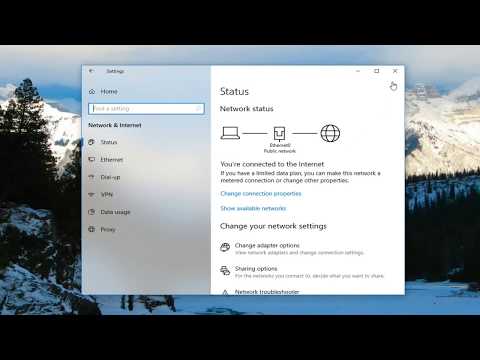
By MDTechVideos Cara Membuat Hotspot Wifi di Windows 10 Tutorial by MDTechVideos
Cara Menggunakan Internet PC di Ponsel Menggunakan Hotspot Nirkabel-2020

By MJ Tube Cara Menggunakan Internet PC di Ponsel Menggunakan Hotspot Nirkabel-2020 by MJ Tube

Title: how to connect a laptop with mobile hotspot
Channel: Prity shots
how to connect a laptop with mobile hotspot by Prity shots
Wifi On Laptop
Turn Your Laptop into a WiFi Hotspot: Unleash Your Connectivity Potential
In today’s hyper-connected world, staying online is no longer a luxury; it's an absolute necessity. From streaming your favorite shows on a lengthy commute to powering through crucial work deliverables on the move, a dependable internet connection is the bedrock of modern life. But what happens when you find yourself in a digital drought, desperately craving a lifeline to the online world? The good news is that your laptop, that faithful companion of work and play, likely holds the key to unlocking a robust and readily available Wi-Fi hotspot. Prepare to be amazed, because turning your laptop into a Wi-Fi hotspot is not just possible; it’s shockingly easy. We will show you step-by-step.
Decoding the Magic: How Your Laptop Achieves Wireless Alchemy
Before we dive into the 'how-to,' let's briefly understand the foundational principle at play. Most modern laptops are equipped with a built-in Wi-Fi adapter, designed to receive wireless signals. However, with a few simple configurations, we can re-purpose this adapter to broadcast a Wi-Fi signal as well. Your laptop becomes a mini-router, sharing your internet connection with other devices in its vicinity—your smartphone, tablet, another laptop, or even a gaming console. This process essentially transforms your machine into a personal Wi-Fi access point, a bridge to the internet for all your devices.
Method 1: Harnessing the Power of Windows – A Step-by-Step Guide
For users of the perennially popular Windows operating system, creating a Wi-Fi hotspot is remarkably straightforward. Windows offers built-in functionality specifically designed for this purpose. Follow these steps to transform your laptop into a wireless powerhouse:
Accessing the Mobile Hotspot Settings: Click on the Windows "Start" button (typically located in the bottom-left corner of your screen), then click the "Settings" cogwheel icon. Alternatively, you can press the Windows key + I to open the Settings app directly. Within the Settings app, select "Network & Internet." In the Network & Internet settings, click on the "Mobile hotspot" option, generally found along the left sidebar.
Activating Your Hotspot: On the Mobile hotspot settings page, you'll find a toggle labeled "Share my Internet connection with other devices." Switch this toggle to the "On" position. This single action initiates the hotspot functionality. Windows will attempt to detect your current internet connection and share it. If you have multiple internet connections, ensure the correct one is selected in the "Share my Internet connection from" dropdown menu. This is usually your Ethernet connection or, if using a cellular modem, your cellular connection.
Customizing Your Hotspot Settings: The simplicity doesn’t end there. Click on "Edit" beneath the "Share my Internet connection from" drop-down. A new window will appear, allowing you to customize your hotspot's network name (SSID) and password. The SSID is the name that will appear when other devices search for available Wi-Fi networks. Create a memorable and easily identifiable name. The password is essential to protect your network from unauthorized access. Craft a strong, unique password to maintain security. Enter your preferred settings and then select 'Save'.
Connecting Your Devices: Now that your hotspot is configured, take your other devices (phones, tablets, etc.) and search for available Wi-Fi networks in their respective Wi-Fi settings. You should see the network name (SSID) you specified earlier. Select it, enter the password you created, and—voilà—your device should connect to your laptop's internet connection.
Method 2: Unleashing the Power of Command Prompt (Advanced)
While the built-in method is usually sufficient, more tech-savvy users can leverage the power of the Command Prompt for finer control and customization. This method offers a more granular level of parameter control. Be cautious when using the Command Prompt; one wrong command can have unexpected consequences.
Opening Command Prompt as Administrator: Use the Windows search bar (usually located next to the Start button) and type "cmd." Right-click on "Command Prompt" in the search results and select "Run as administrator." This ensures you have the necessary permissions to execute the commands.
Setting Up the Hosted Network: In the Command Prompt window, type the following command and press Enter. This will effectively set up the foundation for your Wi-Fi hotspot:
netsh wlan set hostednetwork mode=allow ssid="YourHotspotName" key="YourPassword"Replace
"YourHotspotName"with the desired name for your hotspot (SSID), and replace"YourPassword"with a strong password.Starting the Hosted Network: Once you've set up the hosted network, start it using this command:
netsh wlan start hostednetworkSharing Your Internet Connection: Now, you need to share your existing internet connection through the newly created hotspot. Open the "Network Connections" settings. You can access this by searching for "View network connections" in the Windows search bar. Find the network connection providing your internet access (e.g., your Ethernet or Wi-Fi connection that's connected to the Internet) right-click it, and select "Properties." In the "Sharing" tab, check the box labeled "Allow other network users to connect through this computer's internet connection." Select the hosted network you created earlier from the dropdown menu.
Connecting Devices: Finally, take your devices and search for the Wi-Fi network with the SSID you specified earlier. Input the password, and your devices should now be using your laptop's internet connection.
Troubleshooting Common Hurdles
Even with the best instructions, you may encounter minor hiccups. Fear not. We will address some frequent problems:
- "Cannot Start Hosted Network": This might be due to outdated network drivers. Update your Wi-Fi adapter drivers through the Device Manager (search for "Device Manager" in the Windows search bar) or by visiting the manufacturer's website.
- "No Internet Access": Ensure your laptop is actually connected to the internet via Ethernet or Wi-Fi, and that you have correctly shared the connection in the network settings. Double-check the password you entered on the connecting device.
- Connection Instability: This can be caused by interference. Try moving your laptop closer to the devices connecting to it, and ensure there are no physical obstructions (like thick walls) between the laptop and the devices.
- Limited Bandwidth: Remember that your laptop is sharing its internet connection. The more devices connected, the slower the speed will be. Close any unnecessary bandwidth-intensive applications.
Maximizing Your Hotspot Performance: Essential Tips
To ensure optimal performance and a seamless experience, consider these additional tips:
- Secure Your Hotspot: Always set a strong password to prevent unauthorized access and protect your data.
- Monitor Data Usage: Be mindful of your data allowance, especially if you're using a mobile data connection. Streaming videos or downloading large files will consume significant data.
- Optimal Placement: Place your laptop in a central location, free from obstructions, to maximize the range and signal strength of your Wi-Fi hotspot.
- Regular Updates: Keep your network drivers up-to-date for the best performance and security.
- Battery Life: Creating a Wi-Fi hotspot can drain your laptop's battery. If possible, keep your laptop plugged into a power source when acting as a hotspot.
- Consider Wi-Fi Standards: If you have a very old laptop, its Wi-Fi adapter may only support older Wi-Fi standards. Newer standards (802.11ac, 802.11ax) offer better speeds and range.
Beyond the Basics: Advanced Uses and Applications
Turning your laptop into a Wi-Fi hotspot extends beyond simple internet sharing. Consider these advanced applications:
- Creating a Personal VPN: By using a VPN service on your laptop, you can encrypt all the traffic passing through your hotspot, offering more security and privacy on public Wi-Fi networks.
- File Sharing: Use the hotspot to share files wirelessly between your laptop and other devices in the network.
- Gaming Sessions: Host local multiplayer games with friends using the Wi-Fi hotspot.
- Troubleshooting Network Issues: Verify the connection of other devices.
- Extend Your Network Range: If you have a weak Wi-Fi signal in a certain area of your home, you can use your laptop as a Wi-Fi extender by connecting it to the primary network and then broadcasting a new Wi-Fi signal.
Conclusion: Embrace the Wireless Revolution
Transforming your laptop into a Wi-Fi hotspot represents a simple, yet powerful, solution for staying connected on the go. With the knowledge, steps in place, and the best practices outlined, you’re fully equipped to unlock your laptop's hidden connectivity potential. From work trips to travel adventures, your laptop is now your gateway to seamless internet access, empowering you to stay connected wherever your journey takes you. Embrace this shockingly easy trick, and unlock the freedom of wireless connectivity.
