how to make laptop wifi hotspot windows 10

Title: Cara Membuat Laptop Jadi Hotspot WiFi Di Windows 10 11
Channel: GAPTEK AMATIR
Cara Membuat Laptop Jadi Hotspot WiFi Di Windows 10 11 by GAPTEK AMATIR
**Laptop WiFi Hotspot: Windows 10 Trick You NEED to Know!**
Unleash Your Inner Hotspot Hero: The Ultimate Windows 10 WiFi Trick
Ever wished you could share your laptop's internet connection with other devices? Perhaps you’re on the road, or maybe your home WiFi is acting up. Don’t fret. Because there's a remarkably simple Windows 10 trick that transforms your laptop into a powerful WiFi hotspot. Prepare to become the tech savior for your friends and family.
Setting the Stage: Why This Matters More Than Ever
We live in a hyper-connected world. Consequently, our devices demand constant internet access. Think about streaming movies, video calls, or even just checking emails. Moreover, spotty or non-existent WiFi can be a major headache. Consider this scenario: you are in a hotel with weak WiFi. In that situation, your laptop becomes a lifeline. It is a gateway to the internet for all your devices. This Windows 10 trick ensures you're always connected, regardless of your location.
The Secret Weapon: Windows 10's Hidden Power
The magic lies in Windows 10's built-in mobile hotspot feature. Surprisingly, many users are unaware of its existence. However, this feature is readily available. It allows you to share your laptop's internet connection. Whether it's through Ethernet or another WiFi network, it converts your laptop into a miniature router. It's like having a personal WiFi network wherever you go. So, let’s get started.
Step-by-Step Guide: Turning Your Laptop into a Hotspot
First, click the Start button. Then, go to Settings. Select “Network & Internet.” Now, choose “Mobile Hotspot.”
Next, toggle the “Share my internet connection with other devices” switch to "On." You will now configure your hotspot.
Before moving on, click "Edit" to customize your hotspot. You can change the network name (SSID). Furthermore, you should also select a strong password. Consider these settings secure. Then hit “Save.”
After that, ensure your laptop is connected to the internet. This might be by Wi-Fi or an Ethernet cable. Finally, other devices can now see your laptop's hotspot. Connect to it using the network name and password you established.
Troubleshooting: Solving Common Hotspot Hiccups
Sometimes, things don't go perfectly. If you encounter issues, here’s what to do. Firstly, double-check your internet connection on your laptop. Make sure it is active and stable. Secondly, verify that your hotspot settings are correct. Ensure the network name and password were entered accurately.
Thirdly, check for any software conflicts. Firewalls and other security software can interfere with the hotspot. Consider temporarily disabling them to see if the issue resolves. Finally, if all else fails, restart your laptop. This often clears up any temporary glitches.
Beyond the Basics: Optimizing Your Hotspot Experience
To maximize your hotspot's effectiveness, consider a few additional steps. Firstly, be mindful of data usage. Streaming videos or downloading large files consumes data quickly. Hence, monitor your data plan. Next, place your laptop in a central location. This will ensure optimal signal coverage.
Moreover, consider the number of connected devices. More devices mean slower speeds. Limit the number of devices if possible. Finally, update your network drivers. Outdated drivers can cause connectivity problems.
Security First: Keeping Your Hotspot Safe
Security is paramount. Consequently, use strong passwords for your hotspot. Avoid easily guessable passwords. Encrypt your network with WPA2 or WPA3 security to protect your data. Also, regularly change your password.
Furthermore, be wary of public WiFi networks. Avoid using your hotspot on unsecured networks. Finally, Always keep your Windows 10 updated. Updates often include security patches.
The Power of Connectivity: Why This Trick is Indispensable
This Windows 10 trick is more than just a tech tip. In fact, it’s an incredibly useful tool. It provides you with unparalleled connectivity in many situations. Imagine the convenience. You can work remotely from anywhere. You can share your internet with others. Moreover, you are always prepared for unexpected internet outages.
Conclusion: Embrace the Freedom of a Portable Hotspot
So, are you ready to become a WiFi hotspot master? By following these simple steps, you can easily transform your laptop into a powerful internet hub. After doing this, you are now equipped to conquer any connectivity challenge. So, embrace the freedom and flexibility of a portable hotspot. Now, enjoy seamless internet access anytime, anywhere.
Netflix to Laptop: Ditch Wi-Fi, Stream NOW!Laptop WiFi Hotspot: Windows 10 Trick You NEED to Know!
Hey everyone! Ever been stranded with a dying phone and a need for internet, staring at your laptop and feeling a pang of frustration? We've all been there. Maybe you're on the road, stuck in a café with dodgy Wi-Fi, or simply want to share your internet connection with a friend. Well, hold onto your hats, because this isn't some tech-speak jargon-filled guide. This is a friendly chat about a super-simple Windows 10 trick that turns your laptop into a personal WiFi hotspot. It’s like having your own pocket-sized internet router, and trust me, it’s easier than making a decent cup of coffee!
1. The Modern Day Emergency Kit: Why a Laptop Hotspot Matters
Think of your laptop's hotspot capability as a digital Swiss Army Knife. It’s there when you need it most. Imagine being in a remote location, needing to check emails, or coordinating with your team when the public Wi-Fi is down or, dare I say it, non-existent. The ability to create a hotspot is incredibly valuable in today’s connected world. It’s become a necessity, like having a spare battery for your phone.
2. Forget the Tech Gobbledygook: It's Surprisingly Simple
Let's be honest; technology can sometimes feel like a foreign language. Remember the days of dial-up internet and clunky network cables? Thankfully, we're well past that! Creating a WiFi hotspot on your Windows 10 laptop is surprisingly straightforward. We're talking clicks, not coding. It’s so easy, your grandma could do it (and probably already has!). No need to be a tech wizard; we’ll guide you through it, step-by-step, without the technical overload.
3. Unveiling the Magic: How to Create Your Own WiFi Hotspot
Ready for the big reveal? Here’s how you unlock this hidden power:
- Step 1: Access the Settings. Click the Windows icon (the little flag in the bottom-left corner of your screen) and then click the gear icon (Settings). Alternatively, press the Windows key + I. This will open the Settings app.
- Step 2: Navigate to Network & Internet. In the Settings window, select "Network & Internet."
- Step 3: Find Mobile Hotspot. On the left-hand side, you'll see a menu. Click "Mobile hotspot."
- Step 4: Turn It On! Locate the "Share my Internet connection from" dropdown menu. Select the connection you want to share (e.g., Wi-Fi, Ethernet). Then, toggle the "Share my Internet connection with other devices" switch to "On."
- Step 5: Setting Up Your Hotspot Name and Password (Important!) Click "Edit" to customize your hotspot. Here, you can create a network name (SSID) and set a password. Choose something memorable but secure. This is how your friends (or devices) will find and connect to your hotspot.
- Step 6: Connect! On your phone or other devices, scan your Wi-Fi networks and select the hotspot you just created. Enter the password, and voila! You're online!
4. Understanding the Connection: Is This a Secure Bridge?
Absolutely! When you create a hotspot, you're essentially creating a mini-wireless network. Windows 10 uses WPA2 encryption, which is a robust security protocol, to protect your connection. This is similar to the security used by your home router. However, always be mindful of who you’re sharing your connection with. Ensure your password is secure, and avoid sharing sensitive information over public Wi-Fi (even through your own hotspot).
5. Bandwidth Blues: How Much Internet Can You Share?
Think of your internet connection like a pie. Your laptop is the pie-cutter, and the devices connecting to your hotspot are the hungry guests. The more guests, the smaller the slices. Sharing your internet connection will inevitably impact your internet speed. The number of devices connected and the type of activity (streaming, browsing, gaming) will directly influence the speed each device experiences. Be mindful of this, especially if you have a limited data plan. Consider this aspect when planning a virtual meeting or planning to stream high-definition media with multiple users.
6. The Speed Dilemma: Optimizing Your Hotspot Performance
There are a few things you can do to maximize your hotspot's performance:
- Choose the Right Connection: If possible, use a faster internet connection (e.g., Wi-Fi over a cellular connection).
- Limit the Number of Devices: The fewer devices connected, the better the speed for everyone.
- Close Unnecessary Apps: Close applications using a lot of bandwidth on your laptop (e.g., video streaming services, file-sharing programs). They hog bandwidth.
- Positioning Matters: Place your laptop in a central location to maximize the signal range.
7. Beyond the Basics: Advanced Hotspot Customization
Windows 10 offers some customization options:
- Band Selection: Some devices can choose the frequency band (2.4 GHz or 5 GHz). 5 GHz offers faster speeds but a shorter range. 2.4 GHz has a wider range but slower speeds.
- Power Saving: You can configure your laptop to turn off the hotspot after a period of inactivity to save battery life.
8. Mobile Hotspot: The Laptop's Secret Weapon for Travelers
For those of us who wander, your laptop's hotspot becomes an indispensable travel companion. It’s the life-saver when roaming internationally, or the comfort that permits you to connect to the internet. No more scrambling for public Wi-Fi or paying exorbitant roaming charges.
9. The Productivity Power-Up: Using Your Hotspot for Work
Need to attend a video conference, check emails, or collaborate on documents? Your laptop's hotspot lets you turn any location into your makeshift office. As a matter of fact, it bridges the gap between work and life.
10. Gaming on the Go: Playing Online via Your Laptop’s Hotspot
Online gaming requires a steady internet connection. Your hotspot can be the key to your gaming sessions, providing a convenient method to play your favorite games.
11. Battling Battery Drain: Conserving Your Laptop's Power
Creating a hotspot drains your laptop's battery. Be mindful of this, especially when you're away from a power outlet. Consider:
- Using a Power Adapter: Whenever possible, plug your laptop into a power outlet.
- Reducing Screen Brightness: Lower your screen brightness to conserve power.
- Limiting Use: Only use the hotspot when necessary.
12. Troubleshooting Troubles: What to Do When Things Go Wrong
Sometimes, things don't go as planned. Here are some common issues and solutions:
- Connection Issues:
- Restart Your Laptop: It’s the classic solution.
- Check Your Internet Connection: Ensure your laptop has a working internet connection.
- Update Drivers: Outdated drivers can cause problems.
- Device Not Connecting:
- Double-Check the Password: Make sure you’re entering the correct password.
- Check Your Network Name: Ensure you're selecting the right network.
- Reboot the Connecting Device: Sometimes, this resolves the issue.
- Slow Speeds:
- See Section 6: Optimizing…
13. Security Best Practices: Keeping Your Hotspot Safe
While Windows 10 uses secure encryption protocols, here are further precautions to take to keep your hotspot safe:
- Use a Strong Password: Don't use easily guessable passwords.
- Monitor Connected Devices: Keep track of the devices connected to your hotspot.
- Turn Off When Not in Use: This prevents unauthorized access.
14. Beyond Windows 10: Other Operating Systems
While this article has primarily focused on Windows 10, the concept of creating a hotspot is possible on other operating systems too. MacOS, Android, and iOS devices all offer similar functionality.
15. The Future of Connectivity: Hotspots and Beyond
As technology progresses further, connectivity will continue to evolve. Mobile hotspots, along with advancements in Wi-Fi technology, will continue to be a significant part of our digital lives.
Closing Thoughts
So there you have it! Turning your Windows 10 laptop into a WiFi hotspot is a straightforward process. It's a valuable skill, a practical tool, and a lifesaver in many situations. So go forth, explore, and enjoy the convenience of your own personal internet connection! Don't be afraid to experiment and learn as you go; the more you delve into it, the more you'll realize how handy this little trick actually is. Now, get out there and spread the connection!
FAQs
1. Is it safe to use my laptop as a hotspot?
Yes, it's generally safe, provided you use a strong password and keep your laptop and software updated. Windows 10 utilizes WPA2 encryption, which is a secure wireless protocol.
2. How much data will my laptop hotspot use?
Data usage depends on the activities on connected devices. Streaming videos,
HP 550 Laptop WiFi Driver: Download & Fix Your Connection NOW!Cara Membuat Hotspot Wifi di Windows 10 Tutorial
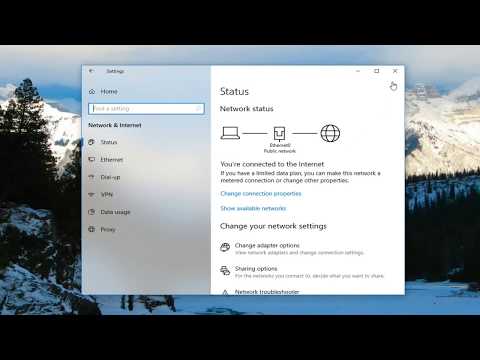
By MDTechVideos Cara Membuat Hotspot Wifi di Windows 10 Tutorial by MDTechVideos
Kami Tidak Dapat mengatur Hotspot Seluler Windows 10 ASK

By Nam Anh Cap Kami Tidak Dapat mengatur Hotspot Seluler Windows 10 ASK by Nam Anh Cap
jaga agar Hotspot Seluler selalu aktif di Windows 10
By The Geek Page jaga agar Hotspot Seluler selalu aktif di Windows 10 by The Geek Page
Title: Cara Mengubah Komputer Windows 10 Menjadi Hotspot Wi-Fi Buat Hotspot WiFi di Windows 10
Channel: ProgrammingKnowledge2
Cara Mengubah Komputer Windows 10 Menjadi Hotspot Wi-Fi Buat Hotspot WiFi di Windows 10 by ProgrammingKnowledge2
Laptop Wifi Connect
Laptop WiFi Hotspot: Windows 10 Trick You NEED to Know!
The modern world thrives on connection. We check our emails, stream videos, and collaborate with colleagues, all fueled by the invisible energy of the internet. For many, the laptop has become the digital Swiss Army knife – a portable powerhouse capable of work, entertainment, and communication. However, what happens when you're away from the comforting embrace of your home or office Wi-Fi? What about those moments when a crucial presentation demands your attention, but the hotel's Wi-Fi decides to stage a rebellion? The answer, dear reader, lies within the clever capabilities of your Windows 10 laptop: the creation of a mobile hotspot. This isn't just a techy trick; it’s an indispensable skill, a lifesaver in a digital wilderness that waits for no one. And we’re going to unravel it for you.
Unveiling the Hidden Power: Your Windows 10 Laptop as a Hotspot
Forget scrambling for public Wi-Fi, which often comes with security risks and frustratingly slow speeds. Your Windows 10 laptop has the built-in ability to broadcast its internet connection as a Wi-Fi hotspot, allowing other devices – your phone, tablet, or even another laptop – to connect and share that vital bandwidth. This is a far more direct and secure solution, putting you in control of your connectivity. Think of it as your personal Wi-Fi router, always ready to serve.
The beauty of this method is its simplicity. Microsoft has baked this functionality directly into Windows 10, making it incredibly easy to set up and manage. No extra software downloads, no complicated configurations – just a few clicks and you’re ready to share your internet connection. This is especially valuable when you're dealing with limited data plans on your phone, allowing you to conserve your mobile data by using your laptop's connection on other devices. Picture this: a long train journey, a mountain of work to catch up on, and a reliable internet connection at your fingertips, all thanks to the hotspot you’ve created.
Step-by-Step Guide: Creating Your Windows 10 Hotspot
Let’s get down to the nitty-gritty and walk through the process. Follow these steps, and you'll be broadcasting your internet connection in no time:
Accessing the Settings Panel: Click the Windows icon (the Start button) in the lower left corner of your screen. Then, click the gear-shaped icon (Settings) to open the Settings panel.
Navigating to Network & Internet: Within the Settings panel, locate and click on the “Network & Internet” category.
Finding the Mobile Hotspot Option: In the Network & Internet settings, you'll see a list of options on the left-hand side. Click on Mobile hotspot.
Setting Up Your Hotspot: You'll now be presented with the Mobile hotspot settings. This is where you’ll customize your hotspot.
Share your internet connection from: This dropdown menu will likely be set to “Wi-Fi” or “Ethernet,” depending on how your laptop is currently connected to the internet. If you're connected to a physical Ethernet cable, choose that option. If you are using Wi-Fi to access the internet (e.g., at a coffee shop), ensure this setting is set to the Wi-Fi option. If you're using a mobile broadband connection (e.g., through a USB dongle), select the relevant option. This is crucial; your laptop shares its current internet connection.
Create a new network: This is where you control the name and security of your hotspot. Click on the "Edit" button here to configure these settings.
- Network name: Choose a name for your hotspot. This is what other devices will see when searching for available Wi-Fi networks. Be creative, but also consider something memorable.
- Network password: This is the key to securing your hotspot. Set a strong password. We recommend a combination of uppercase and lowercase letters, numbers, and symbols to guarantee security. Your password protects your connection from unauthorized access, keeping your data safe.
- Save: Click the "Save" button to apply the changes.
Turning On Your Hotspot: Toggle the “Share my Internet connection with other devices” switch to the “On” position. Your laptop will now begin broadcasting a Wi-Fi signal.
That’s it! You've successfully created a Wi-Fi hotspot from your Windows 10 laptop.
Connecting Your Devices: The Seamless Experience
Now that your hotspot is active, it’s time to connect your other devices. The process is straightforward:
- On Your Device: On the device you want to connect (phone, tablet, etc.), open the Wi-Fi settings. This is usually located in the device's settings menu.
- Searching for Networks: Your device will automatically start searching for available Wi-Fi networks. Look for the network name you created for your hotspot.
- Entering the Password: Select your hotspot’s name and enter the password you set earlier.
- Connecting: Once you've entered the correct password, your device will connect to your laptop's hotspot, granting it access to the internet.
Voila! Your device now has internet access, courtesy of your Windows 10 laptop. Repeat this process to connect any other devices.
Optimizing Your Hotspot Experience: Tips and Tricks
While the setup is simple, a few additional steps can significantly enhance your hotspot experience:
- Consider Your Data Plan: Be mindful of your internet data limits, especially if using a mobile broadband connection. Streaming videos or downloading large files can quickly consume your data allowance. Monitor your data usage regularly. Windows 10 offers built-in data usage tracking tools.
- Manage Connected Devices: To save bandwidth and to maintain your internet connection, be wise about how many devices are using your hotspot. If you only need one device to connect, then you should consider turning off the features you are not using to conserve your internet stability.
- Secure Your Connection: Never choose a weak password. A strong password is your first line of defense against unauthorized access.
- Location Matters: Where you are physically located can impact the performance. For the best signal, avoid obstruction from walls and other objects.
- Update Your Drivers: Ensure your network adapter drivers are up-to-date. Outdated drivers can sometimes cause connectivity issues. You can update drivers through Windows Update or by visiting your laptop manufacturer's website.
Troubleshooting Common Hotspot Issues
Sometimes, things don't go as planned. If you encounter any problems, here are a few common issues and how to resolve them:
- Hotspot Not Appearing:
- Ensure the “Share my Internet connection with other devices” switch is turned “On.”
- Double-check that the network name you entered is correct.
- Make sure your laptop is actually connected to the internet (Wi-Fi or Ethernet).
- Restart your laptop.
- Devices Can’t Connect:
- Verify that you’re entering the correct password.
- Ensure the device is within range of your laptop’s Wi-Fi signal.
- Disable any VPN connections on your laptop, as they can sometimes interfere with hotspot functionality.
- Restart the device attempting to connect.
- Slow Internet Speeds:
- Limit the number of connected devices to conserve bandwidth.
- Close any bandwidth-intensive applications on your laptop.
- Check your laptop’s internet connection speed.
- Try moving your laptop closer to the device that's connecting.
The Versatile Power of Your Windows 10 Laptop's Hotspot
The ability to create a Wi-Fi hotspot from your Windows 10 laptop is an incredibly convenient and powerful feature. It transforms your laptop into a versatile connectivity hub, empowering you to stay connected wherever you go. Whether you’re grappling with a spotty public Wi-Fi network, navigating a business trip, or working remotely from a cozy coffee shop, this Windows 10 trick will dramatically enhance your digital life. Embrace the power of your laptop’s hotspot, and you’ll discover a new level of freedom and digital independence. This simple yet profound feature is an essential tool for the modern, connected world. So, unlock its potential and experience the ease of constant connectivity!
