forgot my wifi password on my laptop

Title: Forgot your wifi password WIFI techtips computertips
Channel: Chad Ryan
Forgot your wifi password WIFI techtips computertips by Chad Ryan
how do i reset my wifi password on my laptop, i forgot my wifi password but my laptop is connected, how to find wifi password on laptop, how to see your wifi password in laptop
OMG! I Forgot My WiFi Password! (Easy Fix Inside!)
Lost in the Digital Wilderness: Your WiFi Password Recovery Guide
Ever stared blankly at your router, a bewildered expression plastered on your face? You're not alone. The modern digital age hinges on a strong WiFi connection. But what happens when that critical password drifts from your weary mind? It's a frustrating experience. You feel like you're stranded on a deserted island, cut off from the digital world. Fear not, because help has arrived! This comprehensive guide will navigate you through the murky waters of forgotten WiFi passwords. We'll uncover several easy fixes to reconnect you to the internet in minutes.
The Password Amnesia Epidemic: A Universal Experience
We've all been there, right? The frantic scramble for the router's information. The desperate hope that you've scribbled it down somewhere. Technology is great, but passwords are a constant liability. It’s an epidemic of forgotten credentials. So, rest assured, you're in good company. Millions of users experience this regularly. This makes the task of recovering your WiFi password a common need. It's a skill everyone should master.
Decoding the Router: Your First Line of Defense
Your router is the gatekeeper to your internet. It's your first stop in the search for your lost WiFi password. The simplest solution often lies directly on the device. Check the router itself. Most routers have the password printed on a label. This label is usually located on the bottom or side of the device. Look closely; sometimes the password is labeled "WPA2," "WPA," or "Wireless Key." You might find a default password or the password you set up. So, before anything else, give your router a thorough examination. You might find the answer staring right at you.
Peeking Behind the Curtain: Windows' Hidden Secrets
If examining your router yields no fruit, don't panic. Your Windows computer has probably stored your Wi-Fi credentials. It's time to dig a little deeper. First, you must access the “Network and Sharing Center.” Open the Control Panel. Click on "Network and Internet," and then select "Network and Sharing Center." Locate your active WiFi connection. Click on the name of your connection. This will open a status window. In the status window, click on “Wireless Properties.” You will see a new window. Go to the "Security" tab. Check the box that says “Show characters.” There it is! Your WiFi password will be visible in plain sight. It's a quick and reliable method for Windows users.
Apple’s Airwaves: Unmasking the Password on macOS
Apple users, you’re not forgotten! macOS offers another handy trick for retrieving forgotten passwords. The "Keychain Access" application holds the answers. Find it in your Applications folder. Alternatively, use Spotlight Search. Open Keychain Access. Search for your WiFi network's name. You should see an entry for your network. Double-click it. A small window will appear. Check the box labeled "Show Password." You will need to enter your Mac's administrator password. Once authenticated, your forgotten WiFi password will reveal itself. Simple, effective, and distinctly Apple!
Mobile Marvels: Android and iOS Revelations
What if you can't access your desktop or laptop? Don’t worry—your mobile device can still save the day. On an Android device, the process is a bit more complex. You will need root access to see the passwords directly. Apps like "WiFi Password Viewer" can assist. But beware: Download these apps from trusted sources only. On iOS devices, the method is easier with iCloud Keychain. This syncs your passwords across devices. Access your Wi-Fi settings. If your device is connected to the network, the password may be saved. If not, check your iCloud Keychain on another device. It's a seamless solution for iOS users.
Beyond the Basics: Advanced Troubleshooting
Sometimes, the simple solutions aren't enough. You might need to delve into more advanced techniques. Consider resetting your router to its factory settings. This will wipe all custom settings. Then, you'll need to reconfigure your WiFi network. This is a more drastic measure, but it usually works. Consult your router's manual for specific instructions. You can also contact your internet service provider (ISP). They often have access to your WiFi password. They can assist with any technical difficulties. Moreover, they can provide insights into your connection status. Consider these steps if all else fails.
Preventative Measures: Safeguarding Future Access
Once you've recovered your WiFi password, it's time to prevent future episodes of password amnesia. Write down your password immediately. Keep it in a secure and accessible location. Consider using a password manager. These are secure applications. They generate and store passwords for you. They’ll keep your credentials safe. Regularly update your WiFi password. This adds an extra layer of security. You are making it difficult for unauthorized people to access your network. Implement these practices to ensure future peace of mind. You'll minimize the chances of a repeat performance.
Conclusion: Reclaiming Your Digital Life
Forget your password no more! You've now armed yourself with the tools to conquer the forgotten WiFi password challenge. Whether it's rooting around your router, delving into operating system settings, or utilizing advanced troubleshooting methods, you're equipped to reconnect. Take a deep breath. You're back online. Now, go forth and enjoy the internet!
Unlock Your Laptop's Hidden WiFi Hotspot: The Ultimate Guide!OMG! I Forgot My WiFi Password! (Easy Fix Inside!)
We've all been there, haven't we? The moment of sheer panic when your phone, laptop, or smart toaster – yes, even the toaster! – suddenly decides it can't connect to the internet. You're staring blankly at the screen, muttering to yourself, and the inevitable realization dawns: OMG! I forgot my WiFi password! It's a digital heartbreak, a first-world problem that can bring your productive day to a screeching halt. But breathe easy, because we're going to navigate this together. Think of this article as your tech-savvy friend holding your hand through the Wi-Fi wilderness. We’ll get you back online faster than you can say "streaming marathon."
The Internet Abyss: Recognizing the Panic
Let's be honest; a world without Wi-Fi feels a little… lonely, doesn't it? It's like being adrift at sea, desperately scanning the horizon for a signal flare. Suddenly, everyday tasks become monumental – checking emails, ordering takeout, that all-important cat video break. You might feel a surge of frustration, a wave of digital despair washing over you. The good news? You're not alone. And we're here to help you navigate the internet abyss and reclaim your connection.
Why Do We Forget? The Mystery of the Missing Password
So, why does this happen? Why do these crucial pieces of information, these keys to our digital kingdoms, vanish from our memories? It’s a mixture of factors, really. Perhaps you're juggling a million other passwords for work, social media, and online shopping. Maybe you've simply changed your Wi-Fi password recently, and the new one hasn't quite solidified in your brain. Or, let’s face it - maybe we're just human! The good news is, forgetting happens, and there’s usually an easy fix.
Method 1: The Router's Secret Code - Your First Line of Defense
Okay, deep breaths. Let's start with the most straightforward approach: your router. It’s the gatekeeper of your internet, the guardian of your Wi-Fi password.
- Look for the Label: Flip the router over or check its sides. Most routers have a sticker with the default network name (SSID) and the password printed on it. It might be hidden, so give it a good once-over.
- Default Passwords: Sometimes, you might have never changed the default password. This is where that sticker comes in handy! Look for the manufacturer's name on the router and search online for "default [manufacturer name] router password."
Method 2: Peeking into Your Operating System (Windows Users Rejoice!)
Windows users, this one is for you! Your operating system is like a digital detective, often preserving information you might have forgotten.
- Network Settings: Go to your computer's network settings. Right-click on the Wi-Fi icon in your system tray (usually in the bottom right corner) and select "Open Network & Internet settings."
- Change Adapter Options: Click on "Change adapter options."
- Wi-Fi Properties: Right-click on your Wi-Fi connection and select "Status," then click "Wireless Properties."
- Security Tab & the Magic Checkbox: Navigate to the "Security" tab. There, you'll find a checkbox that says "Show characters." Check that box, and voila! Your password should magically appear.
Method 3: Mac Magic – Finding Your Password in Keychain Access
Apple users, fear not! Your Mac has its own built-in password vault called Keychain Access. It's like a digital lockbox for all your important credentials.
- Open Keychain Access: Use Spotlight Search (the magnifying glass icon in the top right corner) and type "Keychain Access." Open the application.
- Search for Your Network: In the search bar, type the name of your Wi-Fi network.
- Double-Click Your Network Name: This will open a window with the password.
- Check the Box: Click the "Show password" box, and enter your computer's login password to reveal your Wi-Fi password.
Method 4: The Router Admin Page – The Techie Approach
If the earlier approaches fail, it’s time to get slightly more technical by accessing your router's administration page. This method might involve a little more effort, but the potential reward is worth it.
- Find Your Router's IP Address: You'll need your router's IP address. On a Windows machine, open the "Command Prompt" and type "ipconfig." On a Mac, open "Terminal" and type "ifconfig." Look for the "Default Gateway" which is your router's IP address. It will usually be something like 192.168.1.1 or 192.168.0.1.
- Access the Admin Page: Open a web browser and type your router's IP address into the address bar.
- Login Credentials: You’ll be prompted for a username and password. These are usually "admin" for both, but check your router's manual if that doesn’t work.
- Locate Wireless Settings: Once logged in, navigate to the “Wireless” or “Wi-Fi” settings. There, you should be able to find your password.
Method 5: Resetting Your Router (When All Else Fails)
This is the nuclear option, the emergency button. But it's also often very effective. Resetting your router will restore it to its factory settings, including its default password.
- Locate the Reset Button: On the back of your router, you'll find a tiny reset button, usually recessed to prevent accidental presses.
- Use a Paperclip or Similar Tool: Insert a paperclip or similar small object into the reset button.
- Hold It Down: Press and hold the reset button for about 30 seconds, or until the router's lights start flashing.
- Connect Again: The router will reboot, and you can then connect to the network using the default password (found on the router itself or in the manual).
Preventing Future Forgetfulness: Proactive Tips
Now that you’re back online let’s talk about preventing this issue from happening again.
- Write It Down (Safely): Save your Wi-Fi password in a secure password manager or a password keeper. Never write it down on a sticky note and leave it in plain sight.
- Change Your Password Regularly: This is good security hygiene. Be sure to choose a complex, difficult-to-guess password.
- Name Your Network Something Memorable: An easy-to-remember network name can help connect the dots when trying to recall your password.
Troubleshooting Common Issues
Sometimes, even with these steps, things can still go wrong. Here are some common hiccups and how to solve them:
- Incorrect Password: Double-check that you’re typing the password correctly. Case sensitivity matters!
- Router Not Broadcasting: Sometimes, your router might stop broadcasting the network. Restart the router simply.
- Device Issues: Make sure your device is properly connected is working correctly.
The Relief of Reconnection: Embracing the Digital World
There's a unique sense of relief that washes over you when you finally connect back to the internet. It's like returning home after a long journey. You can finally stream your favorite shows, catch up on emails, or dive back into social media.
Embracing the Digital Future (One Password at a Time)
The digital world is constantly evolving, and remembering passwords is a constant challenge. But equipped with these tools, you’re ready for whatever comes your way. Don’t panic when the Wi-Fi goes down; instead, breathe, and embrace the process of getting reconnected.
You've Got This! – A Final Word of Encouragement
Remember, we've all been there. Life happens, digital amnesia strikes, but you now have the tools and the know-how to face the forgetfulness. You are a digital warrior now.
Closing Thoughts: We're In This Together
We hope this guide has helped you get back online and stay a little more connected in our modern, Wi-Fi-dependent world. Remember, technology is meant to make our lives easier, not harder. So, next time you forget, just take a deep breath, review these steps, and get back to what matters – enjoying the internet!
1) Principal Keywords: WiFi Password Recovery Guide
2) SEO Headline: WiFi Password? Oops! Simple Guide to Recovery!
3) Pathway: Password Recovery
4) Meta Summary: Forgot your WiFi password? Don't panic! Discover easy, step-by-step methods to recover it. Get back online fast! #WiFiPassword #PasswordRecovery #TechTips #InternetHelp
5) Image Alt Text: Person staring at a Wi-Fi router, symbolizing internet connection problems and the need for a password recovery guide.
WiFi Works on Phone, NOT Laptop? This SHOCKING Fix Works!Find your WiFi password with ease

By Matty McTech Find your WiFi password with ease by Matty McTech
How to Find WiFi Password on Windows Computer

By Kevin Stratvert How to Find WiFi Password on Windows Computer by Kevin Stratvert
Forget or Remove a Wireless Network on Windows 10 How-To
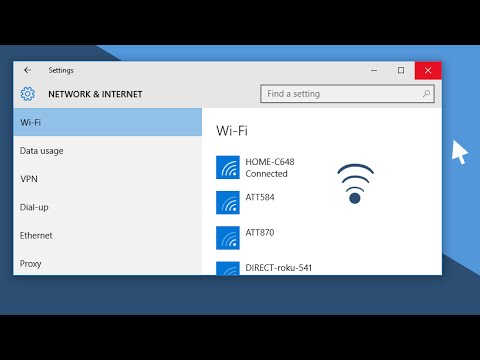
By Windows Explained Forget or Remove a Wireless Network on Windows 10 How-To by Windows Explained

Title: How to recover WIFI password
Channel: Nitro Country
How to recover WIFI password by Nitro Country
Wifi On Laptop Phone
OMG! I Forgot My WiFi Password! (Easy Fix Inside!)
Losing access to your Wi-Fi network can feel like being cut off from the world, especially in our hyper-connected age. Whether you’re staring blankly at a login screen, frantically tapping at your phone, or just simply at a loss for what to do, the frustration is palpable. We understand. The good news? Regaining access to your network is almost always easier than you think. This guide will equip you with the precise steps and knowledge you need to quickly and effortlessly recover your forgotten Wi-Fi password, allowing you to get back online in minutes.
Understanding the Core Problem: Why Did This Happen?
Before diving into solutions, let's briefly address the root cause. Forgetting your Wi-Fi password usually stems from one of two primary scenarios: You haven't connected to the network in a long time, or the router's default password was changed and then subsequently forgotten. It could also be a simple case of misremembering a complex passphrase. These situations are entirely common, and the resulting inconvenience is a temporary setback. Let's conquer it.
Method 1: The Router's Hidden Treasure - Checking the Router Itself
The most surefire method for quickly finding your Wi-Fi password involves examining your physical router. The password is often printed directly on the device itself, usually found on a sticker located on the bottom or back of the router.
Step-by-Step Instructions for Router Password Retrieval:
- Locate Your Router: Identify the physical device providing your Wi-Fi signal. This is usually a box with antennas, often positioned in a central location in your home or office.
- Inspect the Device: Carefully examine the router's exterior. Look for a sticker or label.
- Identify the Information: On the sticker, you should find several pieces of information. Look for the "SSID" (your network name) and "Password," "Wireless Key," or "WPA/WPA2 Key." This is your Wi-Fi password.
- Input and Connect: Enter the password exactly as it appears on the sticker, being mindful of capitalization and special characters, and click connect. You're back online!
This method is foolproof if you still have access to your physical router and the original factory settings haven't been changed.
Method 2: The Connected Device Solution - Retrieving the Password from a Connected Device
If you have another device already connected to your Wi-Fi network, it often holds the key to unlocking access for other devices. Here's how to find the password on some common operating systems.
Finding Your Password on Windows:
- Access Network Settings: Right-click the Wi-Fi icon in the system tray (lower right corner of your screen) and select "Open Network & Internet settings." Alternatively, search for “Network Connections” in the Windows search bar.
- View Network Properties: Click on "Wi-Fi" in the left-hand menu. Then, under "Wi-Fi," click "Change adapter options."
- Open Wireless Properties: Right-click on your Wi-Fi connection and select "Status." In the "Status" window, click "Wireless Properties."
- Reveal the Password: In the "Wireless Properties" window, navigate to the "Security" tab. Check the box labeled "Show characters" to reveal your Wi-Fi password. Take note of your password, and save it in a secure place for future reference.
Finding Your Password on macOS:
- Open Keychain Access: Go to "Applications" -> "Utilities" and open "Keychain Access." You can also use Spotlight Search (Command + Spacebar) to find it.
- Search for Your Network: In the Keychain Access window, search for the name of your Wi-Fi network (SSID) in the search bar.
- View Password: Double-click on your Wi-Fi network name entry. A new window will appear.
- Show Password: Check the "Show Password" box. You may be prompted to enter your Mac login password. Once authenticated, the Wi-Fi password will be displayed.
Finding Your Password on Android
The process for retrieving your Wi-Fi password varies, depending on the device manufacturer and Android version, but here’s the general approach:
- Navigate to Wi-Fi Settings: Open your phone’s Settings app, and tap "Network & Internet" (or a similarly named option). Then select "Wi-Fi."
- Access Saved Networks: Tap on the gear icon (settings) next to your connected Wi-Fi network. This may include settings for the current active Wi-Fi connection.
- Share the Passphrase: Tap on "Share." A QR code will appear. This QR code contains your Wi-Fi password.
- Scan the QR Code: Other devices can scan that QR code and connect to your Wi-Fi without needing the password. Unfortunately, on most Android versions, this process does not show you the password.
Finding Your Password on iOS (iPhone/iPad)
Similar to Android, directly viewing the Wi-Fi password on iOS devices without more advanced set up will not be directly possible. However, there are alternative setups to retrieve the password. One of the easiest is to first recover it from your iCloud Keychain. So, if you are logged into your iCloud, the password is saved and stored there.
- Open Settings.
- Tap Passwords.
- (If prompted, authenticate to ensure the security of your data.)
- Find the network.
- The password is there.
Method 3: The Router's Web Interface - Advanced Password Retrieval
If the physical router or connected devices don’t provide the answer, you might need to access your router's web interface. This is the advanced method, which can sometimes be a bit more involved. It requires knowing your router's IP address, username, and password.
Finding Your Router's IP Address:
- Windows: Open the Command Prompt (search for "cmd" in the Windows search bar). Type
ipconfigand press Enter. Look for "Default Gateway." The IP address listed here is your router's IP address. - macOS: Open System Preferences -> Network. Select your active Wi-Fi connection. Click "Advanced." The router's IP address is listed under the "TCP/IP" tab.
- Android: Go to Settings -> Wi-Fi. Tap the gear icon next to your connected network. Look for "Gateway" or "Router." The IP address is listed there.
- iOS: Go to Settings -> Wi-Fi. Tap the "i" icon next to your connected network. The router's IP address is listed under the DHCP settings.
Logging into Your Router:
- Open a Web Browser: Type your router's IP address into the address bar of your web browser (e.g., Chrome, Firefox, Safari).
- Enter Login Credentials: You'll be prompted to enter a username and password. If you haven't changed these, the default credentials are often listed on the router itself (on the sticker). Common default combinations include:
- Username:
admin, Password:admin - Username:
admin, Password: (blank) - Username:
admin, Password:passwordIf those do not work, try looking up the default login information for your router model online. Search "[Your Router Model] default login".
- Username:
- Navigate to Wireless Settings: Once logged in, navigate to the "Wireless," "Wi-Fi," or "Wireless Settings" section of your router's interface. The exact wording varies depending on your router's brand and model, but it should be easily identifiable.
- View or Change Password: Within the wireless settings, you should be able to find your current Wi-Fi password, often labeled "WPA Key," "Password," or something similar. Some routers allow you to view your old password or change it, as well.
Method 4: Resetting Your Router (Last Resort)
If all else fails, a router reset is your final option. Be forewarned: this will wipe all your custom settings, including your Wi-Fi password, and you'll need to reconfigure your network. This option is appropriate if you have a solid understanding of how to reconfigure your router settings.
How to Reset Your Router:
- Locate the Reset Button: Most routers have a small recessed reset button, usually located on the back or side of the device.
- Press and Hold: Use a paperclip or a similar slender object to press and hold the reset button for about 15-30 seconds.
- Wait for Reboot: Allow the router to reboot. This process might take a few minutes.
- Reconfigure: Once the reboot is complete, you'll need to log into your router's web interface (using the default username and password) and set up your Wi-Fi network again, including choosing a new password.
Pro Tips for Futureproofing Your Connection
- Write it Down: The simplest method is to write down your Wi-Fi password (and other important router information) in a secure
