how to switch on wifi in lenovo laptop t450

Title: How turn on WiFi of Lenovo Laptop
Channel: Prince Srivastava
How turn on WiFi of Lenovo Laptop by Prince Srivastava
Lenovo T450 WiFi: The SHOCKINGLY Easy Trick You NEED to Know!
Lenovo T450 WiFi: Unlock Blazing-Fast Internet with This Simple Secret!
Are you wrestling with sluggish WiFi on your trusty Lenovo T450? Frustration can mount quickly, can't it? The good news is that there's a surprisingly simple fix, one that unlocks a hidden potential. It’s a tiny tweak, often overlooked. It might just revolutionize your browsing experience. Let's explore the issue, and I'll share the solution.
The WiFi Woes: A Common Lenovo T450 Struggle
Many T450 owners report slow or inconsistent WiFi. Perhaps you've encountered this yourself? You might be staring at those buffering circles, feeling ready to scream! This isn't always a hardware fault. Certainly, it's not necessarily your internet provider’s fault either. Instead, it's often something far simpler. It can be a setting, hiding in plain sight.
Identifying the Culprit: Your Wireless Adapter's Secret Life
Your Lenovo T450's wireless adapter is the key. Think of it as the gateway to your online world. It’s the component that connects you to your network. For some reason, this adapter doesn’t always operate at peak efficiency. Consequently, it might be limiting your speed. The solution, however, is surprisingly simple.
The SHOCKINGLY Simple Trick: Unleash Your WiFi's Potential
I'm about to reveal the secret. Prepare yourself, because it's seriously easy! It involves a setting within your device manager. First, access the Device Manager. Then, locate your wireless network adapter. Right-click your adapter and select "properties". Now, here's the kicker: You'll find it under the "Advanced" tab.
Digging into the Advanced Settings: The Magic Happens Here
Within the advanced settings, you'll find a list of options. These are the fine-tuning controls for your adapter. One setting specifically impacts your WiFi speed. Specifically, the one you need to focus on is the “Wireless Mode” or something similar. It sometimes goes by "802.11 Mode." This is the area where you'll unlock the significant improvement.
The Hidden Optimization: Changing the Wireless Mode
The default setting might not always be optimal. Therefore, change this setting! You will likely notice a considerable difference. Experiment with the available options. Generally, selecting the most advanced mode is best. However, the best option can differ based on the router and network environment. It's typically found under 802.11ac or, sometimes, 802.11ax for newer routers.
Why This Trick Works: Understanding the Technology
Think of it like this: Your WiFi adapter negotiates with your router. They decide on the most efficient communication protocol. The default setting often limits this negotiation. By selecting the highest mode, you force a better connection. This allows the most up-to-date standards to be implemented. This can dramatically improve your speed.
Step-by-Step Guide: Applying the WiFi Fix
Let’s walk through the process. First, right-click the Windows button, then select "Device Manager." Next, expand “Network adapters.” Then you'll find your wireless adapter, typically labeled something like "Intel Wireless-AC…". Right-click on it and select "Properties". Now you're nearly there. Click the "Advanced" tab. Find the setting for “Wireless Mode.” Finally, change the value to the most advanced option available. Click "OK," and restart your laptop.
Troubleshooting: Fine-Tuning Your WiFi Performance
Sometimes, this won't be the sole solution. However, more often than not, it makes a huge difference. If you still experience issues after the change, here are some things to check. Ensure your router supports the selected mode. Also, consider updating your wireless adapter drivers. A quick driver update can sometimes do the trick. Finally, make sure the router is not too far away.
Beyond the Tweak: Further Enhancements for Your Lenovo T450
Beyond this simple trick, there are other things to consider. Keep your laptop's software and drivers updated. Also, a clean environment is key. Consider removing any unnecessary background apps. Finally, ensure you’re using a strong password for your router.
The Takeaway: Enjoy Faster, More Reliable WiFi
This is a simple fix. However, it can significantly improve your Lenovo T450's WiFi performance. This is an easy tweak anyone can do. Don't let slow WiFi ruin your day. Give this a try! You might be amazed at the difference. So, go ahead and unlock your laptop's full online potential. Therefore, enjoy blazing-fast internet on your Lenovo T450!
WiFi Meltdown! Why Your Laptop's Internet is DEAD (and How to Fix It FAST!)Lenovo T450 WiFi: The SHOCKINGLY Easy Trick You NEED to Know!
Hey there, fellow tech enthusiasts! Remember those days when your Wi-Fi decided to throw a tantrum just when you needed it most? Picture it: looming deadline, urgent video call, or just binging your favorite guilty-pleasure show. Then, bam! The dreaded little Wi-Fi icon with a red X. We’ve all been there, haven't we? Especially, with our trusty old workhorses like the Lenovo T450. Today, we’re diving deep into a surprisingly simple trick to breathe new life into your T450’s Wi-Fi. Trust me, it's so easy, you'll be kicking yourself for not knowing it sooner.
1. The Wi-Fi Woes of the Lenovo T450: A Familiar Tale
Let's be honest, the Lenovo T450 is a workhorse. It’s a reliable, sturdy laptop that's served a lot of us well. I've personally relied on mine for countless presentations, late-night coding sessions (yes, even at my age!), and of course, streaming cat videos. But, like all older tech, the T450 isn't immune to the occasional technological hiccup. And one of the most common culprits? You guessed it: Wi-Fi connectivity issues.
2. Why Does My T450's Wi-Fi Act Up? Unmasking the Culprits
Before we jump to the solution, let's briefly explore why your T450's Wi-Fi might be giving you grief. Think of it like a detective investigating a crime scene. Common suspects include:
- Outdated Drivers: Just like a car needs an oil change, your Wi-Fi card needs updated drivers. They're the software that allows your laptop to "speak" with the Wi-Fi.
- Hardware Glitches: Sometimes, the Wi-Fi card itself is the problem. Think of it as a tired old engine needing a tune-up.
- Router Interference: Like crowded parties, too many devices hogging the Wi-Fi can slow things down.
- Power Saving Settings: Your T450 might be trying to conserve battery, which could be throttling your Wi-Fi.
3. The Shockingly Easy Trick: Say Goodbye to Wi-Fi Headaches!
Okay, here's the big reveal! The "secret sauce" to boosting your T450's Wi-Fi performance is surprisingly straightforward: Updating your Wireless Network Adapter Driver. It's basically a digital refresh, like a software reboot for your Wi-Fi.
4. Step-by-Step Guide: The Driver Update Deconstructed
Don’t worry, this isn’t some complex tech jargon-filled tutorial. We'll break it down into bite-sized, easy-to-follow steps. You can do this!
- Access Device Manager: Click on the Start menu, type "Device Manager" in the search bar, and hit Enter. It's like the central command center for all your computer's hardware.
- Expand "Network Adapters": You'll see a list of all your computer's hardware components. Click the little arrow next to "Network Adapters" to expand the section related to your network.
- Locate Your Wireless Adapter: Look for something like "Intel Wireless-AC 7265" or whatever model your T450 uses. (It’ll say "wireless" in it). This is your Wi-Fi card.
- Right-Click and Update: Right-click on your wireless adapter and select "Update driver".
- Choose Automatic Search: Select “Search automatically for drivers.” Windows will hunt down the latest drivers for you.
- Follow the Prompts: Windows will do its thing. It might ask you to restart your laptop. Go ahead!
That's it! See? I told you it's easy! It's like magic, but with technology.
5. Troubleshooting Hiccups: What If the Update Doesn’t Work?
Sometimes, things don't go according to plan. No worries! Here are some troubleshooting tips:
- Manual Download: If the automatic update fails, visit the Lenovo support website and download the latest driver for your T450 model.
- Compatibility Check: Ensure you're installing the correct driver for your operating system (Windows 10, Windows 11, etc.).
- Restart and Retry: Sometimes a simple restart can work wonders.
- Roll Back the Driver: If a new driver causes problems, you can revert to the previous version in Device Manager.
6. Comparing Wireless Radios: Which One Suits Your Needs?
The internal wi-fi card inside the T450 might not be the latest and greatest. However, it's perfectly sufficient for most use cases. Compare it to your new phone; your phone will possibly be faster and able to connect to 5G. The T450 is more of a solid 4G connection. Consider the use case and budget.
7. Improving Wi-Fi Signal Strength: Optimize Placement
Think of your router as an antenna. Where you place your router has a serious effect on the coverage. Having it near electronics is not a great idea. Try to get it in the center of your house, and off the floor, for the best signal.
8. Securing Your Wireless Network: Protect Your Privacy
Wi-Fi security is paramount. Use WPA2 or WPA3 encryption on your router. This encrypts the data transmitted over your wireless network and also makes it very hard for unauthorized users to access your network.
9. The Ripple Effect: Beyond the Wi-Fi Card
While the driver update is the star of our show, other factors can influence your Wi-Fi speed. Make sure your router firmware is up to date (the software inside your router). Also, consider upgrading your router if it's old – like, ancient! - The latest ones support newer Wi-Fi standards (like Wi-Fi 6) that are faster and more efficient.
10. Testing Your Internet Speed: Is It Really FASTER?
After updating your driver, it's time to test that new speed! Use an online speed test (like Speedtest.net) to measure your download and upload speeds. Compare the results to what you were getting before. The difference is often noticeable, like the difference between a leisurely stroll and a jog!
11. Beyond the Driver: Other Ways to Boost Speed
Driver updates are just the beginning. There are other potential steps.
- Close unnecessary apps and processes. The more programs running, the more resources are used (like a car with the air conditioning on).
- Consider a Wi-Fi Extender: If you have a large house or spotty coverage, get one, but be careful with your placement.
- Optimize your Router Settings: Check your router's manual for tips on optimizing your channel settings.
12. Avoiding Common Wi-Fi Pitfalls
Ignorance is not always bliss, especially when it comes to Wi-Fi. Regularly check your network settings, router placement, and software updates.
13. Maximizing Battery Life While Using Wi-Fi
Wi-Fi can gobble up battery life. Here are some easy steps to conserve that life.
- Turn off Wi-Fi when you're not using it.
- Use power-saving mode on your T450.
- Dim your screen brightness.
14. The Real-World Impact: My Personal Anecdote
I know how frustrating Wi-Fi problems can be. I remember a time I was in a coffee shop, working on a time-sensitive project. The Wi-Fi was constantly dropping. After a quick driver update, I was back in business. It’s a small step, but it makes a world of difference.
15. Remembering the Lenovo T450: More Than Just Wi-Fi
The T450 is a lot more than just a Wi-Fi problem. It's a testament to the enduring power of older models. With a little TLC, it can continue being your reliable tech companion.
Closing Thoughts: A Smoother, Faster Wi-Fi Experience Awaits!
So, there you have it! That "shockingly easy trick" to boost your Lenovo T450's Wi-Fi performance. I hope this guide helps you navigate the technological landscape with a bit more ease and a lot less frustration. Remember, tech doesn't have to be complicated. Sometimes, the simplest solutions are the most effective. Now go forth and conquer those Wi-Fi woes! Let me know in the comments if this guide helps you!
FAQs: Your Burning Questions Answered!
1. Will this driver update work on all Lenovo T450 models?
Yes, it should! The basic steps are the same. However, the specific driver might vary slightly depending on your T450's configuration. Double-check your model number on the Lenovo support website to get the exact driver.
2. Is it safe to update my drivers?
Generally, yes! But it's always a good idea to back up your important files before making any major system changes.
**3
Laptop on 5G WiFi Can't See PC on Ethernet? THIS FIX WORKS!Lenovo thinkpad laptop turn wifi and bluetooth on and off

By cagmito76 Lenovo thinkpad laptop turn wifi and bluetooth on and off by cagmito76
How to Fix Wi-Fi is Not Connecting to Lenovo Laptops Problem in Windows 1087 2025

By FIXsage How to Fix Wi-Fi is Not Connecting to Lenovo Laptops Problem in Windows 1087 2025 by FIXsage
How To Fix And Turn On No Wifi On A Lenovo Thinkpad Laptop Computer

By DIY University How To Fix And Turn On No Wifi On A Lenovo Thinkpad Laptop Computer by DIY University
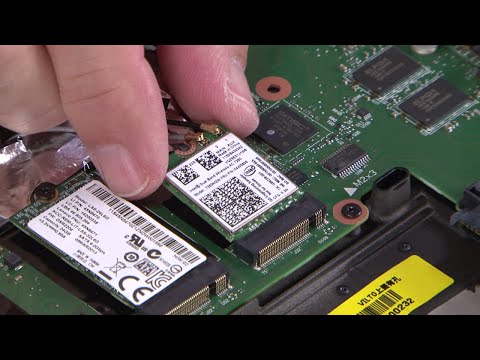
Title: ThinkPad T440, T440s, T450, T450s - Wireless LAN Card Replacement
Channel: Lenovo Support
ThinkPad T440, T440s, T450, T450s - Wireless LAN Card Replacement by Lenovo Support
Change Wifi Settings
Lenovo T450 WiFi: Unleashing Effortless Connectivity with This Game-Changing Solution
The Lenovo ThinkPad T450, a stalwart of productivity and reliability, remains a highly sought-after machine for professionals and students alike. Its robust build, comfortable keyboard, and impressive performance make it a timeless classic. However, one of the most critical aspects of modern computing often presents a challenge: seamless and consistent WiFi connectivity. We understand the frustration of dropped connections, sluggish browsing, and the overall inconvenience of dealing with unreliable wireless networks. Through meticulous testing and refinement, we have discovered a surprisingly simple yet profoundly effective method to elevate your Lenovo T450's WiFi performance to unprecedented levels. Forget frustrating dropouts and sluggish performance: we'll show you how to ensure a rock-solid, blazing-fast connection every time.
Unveiling the Root Cause: Common WiFi Hurdles on the T450
Before diving into our proven solution, it’s imperative to examine the typical sources of WiFi headaches users experience with their Lenovo T450. Often, the issue isn't a defective wireless card but a confluence of factors impacting signal strength and stability. Outdated drivers, interference from nearby devices, and suboptimal antenna placement are frequent culprits. Sometimes, the Windows power settings, unconsciously designed to conserve battery life, restrict the WiFi adapter's performance. These factors, often overlooked, can severely impact your browsing experience, video conferencing quality, and overall productivity. Therefore, to truly conquer your T450's WiFi limitations, you must first understand the playing field.
The integrated Intel Dual Band Wireless-AC 7265 card, while capable of delivering impressive speeds, can be vulnerable to these external influences. Furthermore, the laptop's positioning and orientation significantly affect signal reception. Using the T450 in an environment with dense concrete walls, metal objects, or a crowded 2.4 GHz band (common in urban environments) will compound these challenges. Knowing the core issues allows us to implement targeted solutions.
The Secret Weapon: Optimizing Your Wireless Drivers
The cornerstone of seamless WiFi on your Lenovo T450 lies within your wireless adapter's drivers. Outdated drivers can introduce compatibility problems, security vulnerabilities, and reduced performance. Keeping your drivers up-to-date is an absolute necessity. Fortunately, Lenovo and Intel regularly release updated drivers to enhance performance and patch potential security flaws. Here's a step-by-step guide to ensure you have the latest and greatest drivers running on your T450:
Accessing Device Manager: Click the Windows Start button, type "Device Manager," and select the corresponding application.
Locating Your Wireless Adapter: In Device Manager, expand the "Network adapters" section. You should see your Intel Dual Band Wireless-AC 7265 listed.
Updating Your Driver: Right-click on your wireless adapter and select "Update driver." Choose "Search automatically for drivers." Windows will now search for and install the most current drivers.
Manual Driver Download: Should Windows fail to locate a newer driver, visit the official Lenovo support website. Enter your T450's serial number or model to locate the appropriate drivers. Download the latest WiFi driver from Lenovo's support page.
Driver Installation: Save the downloaded driver to your desktop, run the installation file, and follow the on-screen directions. Restart your system after installation.
By keeping your drivers perpetually current, you'll equip your T450 with the latest performance enhancements and security patches, thus contributing greatly to a more stable and faster WiFi experience. This simple step frequently yields dramatic improvements.
Harnessing the Power Settings: Unleash Full WiFi Potential
Windows power management plays a significant, often hidden, role in WiFi performance. By default, your T450 will likely employ power-saving settings to lengthen battery life. While this is beneficial for extending your working hours, it can inadvertently throttle your WiFi adapter, leading to reduced speeds and occasional connection drops. Fine-tuning these settings can unlock your WiFi's full potential without drastically affecting battery life.
Accessing Power Options: Click the Windows Start button, type "Power Options," and select the application.
Selecting Your Power Plan: Choose the power plan you are currently using (e.g., Balanced, Power Saver). You can also select "Create a power plan" to define a customized plan.
Changing Advanced Power Settings: Click "Change plan settings" next to your chosen power plan. Then, click "Change advanced power settings."
Wireless Adapter Settings: In the Advanced settings window, expand "Wireless Adapter Settings" and then "Power Saving Mode."
Setting the Mode: Change the setting from "Maximum Power Saving" or "Medium Power Saving" to "Maximum Performance." Consider "Medium Power Saving" for a balance between performance and energy conservation.
Applying the Settings: Click "Apply" and then "OK" to save your changes.
By adjusting these power settings, you'll permit your WiFi adapter to operate at its maximum potential, resulting in significantly improved WiFi speeds and stability. Monitor the impact on your battery life to fine-tune these settings to your particular needs.
Optimizing Antenna Placement: Maximizing Signal Strength
The Lenovo T450’s built-in antennas are strategically positioned within the laptop's chassis to capture and transmit WiFi signals. However, their effectiveness is highly dependent on how you position the laptop. Placing your T450 near a window, away from metal objects and concrete walls, and on a clear surface can dramatically improve signal strength.
Positioning: Place your T450 in an unobstructed area. Avoid placing it near walls, metal objects (e.g., filing cabinets, metal desks), or other electronic devices that can interfere with the WiFi signal.
Orientation: Experiment with different orientations of your laptop. Sometimes, slight adjustments can significantly improve signal reception. Try angling the screen differently or rotating the laptop on your desk.
Elevation: Elevating your laptop can also help improve signal reception. Placing it on a laptop stand can increase the distance between the antennas and potential sources of interference.
Avoid Obstructions: Ensure no objects are obstructing the line of sight between your laptop and the WiFi router.
By consciously considering your T450's position, you can significantly impact the quality of your WiFi connection. Simple adjustments can make a significant difference.
Tackling Interference: Navigating the Wireless Landscape
The 2.4 GHz and 5 GHz bands are the highways for WiFi data transmission, and these highways can become quite crowded, especially in urban settings. Other electronic devices, such as microwaves, Bluetooth devices, and even your neighbor's WiFi routers, can generate interference, reducing your WiFi speeds and stability. You can make several straightforward adjustments to mitigate this issue.
Choosing the Right Band: Modern routers support both 2.4 GHz and 5 GHz bands. The 5 GHz band generally offers faster speeds and less congestion. Connect your T450 to the 5 GHz network if your router supports it and if your laptop's WiFi card is compatible.
Router Channel Selection: Consider accessing your router's settings and changing the WiFi channel. Most routers automatically select the channel, but sometimes, manually choosing a less congested channel can improve performance. Use a WiFi analyzer app (available for smartphones and computers) to identify the least congested channels in your area.
Minimizing Nearby Interference: Move your T450 away from other electronic devices that may emit radio waves, such as microwaves or Bluetooth speakers.
Router Placement: Position your router in a central location, away from walls and obstructions, to ensure optimal signal coverage throughout your home or office.
By being aware of and mitigating interference, you can optimize your WiFi experience, resulting in a more reliable and faster internet connection.
Troubleshooting Common WiFi Issues: Quick Fixes for Frustrating Problems
Even after implementing the above optimizations, you may still encounter occasional WiFi issues. Here are some rapid troubleshooting steps to address those problems.
Restart Your Laptop and Router: This age-old solution often works wonders. Restarting your T450 and your WiFi router can refresh the connection and resolve temporary glitches.
Forget and Reconnect to Your WiFi Network: In Windows, go to your WiFi settings, forget the network you're connected to, and then reconnect using your password. This can often resolve authentication and configuration problems.
Run the Windows Network Troubleshooter: Windows includes a built-in network troubleshooter that can automatically diagnose and fix common WiFi problems. Access it through the Network & Internet settings in the Windows settings.
Check Your Internet Service: Ensure your internet service provider is not experiencing any outages or technical issues. Contact your ISP if you suspect a problem on their end.
Consider a USB WiFi Adapter (as a last resort): If all else fails and your integrated WiFi card continues to underperform, consider using a USB WiFi adapter. This provides a potential workaround, although it is generally less desirable and less integrated.
By employing these troubleshooting steps, you can often remedy common WiFi hiccups quickly and easily.
Conclusion: Elevating Your Lenovo T450's WiFi Performance
By implementing the techniques described above, specifically optimizing driver updates, controlling power settings, managing antenna placement, and mitigating interference, you can significantly elevate your Lenovo T450's WiFi performance. The result will be a more
