karty wifi do laptopa

Title: Cara Cabut WIFI Card ASUS TUF Fix Masalah WIFI Hilang Asus TUF
Channel: Kenny DP - Tech & Games
Cara Cabut WIFI Card ASUS TUF Fix Masalah WIFI Hilang Asus TUF by Kenny DP - Tech & Games
karty wifi do laptopa, karty sieciowe wifi do laptopa, podłączenie karty wifi do laptopa, do laptops have wifi, can you use wireless wifi on pc, do laptops have wifi cards
Laptop WiFi Cards: The Ultimate Speed Boost You NEED!
Unleash the Beast: Supercharge Your Laptop's WiFi Today!
The digital age demands speed. Hence, a sluggish internet connection simply won't cut it. Are you tired of buffering videos? Do laggy online games drive you crazy? Then, it's time to upgrade your laptop's WiFi. Fortunately, a powerful WiFi card is your secret weapon. It's the key to unlocking blazing-fast internet speeds. Furthermore, it transforms your laptop into a connectivity powerhouse.
Why Your Built-In WiFi Card Might Be Holding You Back
Let's face it, stock WiFi cards often disappoint. They're frequently a compromise. They are designed to be affordable. Therefore, these cards can often limit your potential. They might struggle with modern WiFi standards. They could also choke on heavy internet usage. Consequently, slow speeds and dropped connections become frustrating norms. Specifically, your laptop's capabilities are limited here. Moreover, this underperformance silently steals your productivity.
Benefits Beyond Belief: The WiFi Card Revolution
Imagine a world of seamless streaming. Picture yourself downloading massive files in seconds. Consider online gaming experiences, free from lag. This is the reality a new WiFi card provides. Consider this: superior WiFi cards support the latest WiFi standards. This is your gateway to incredible speeds and improved range.
- Faster Speeds: Ultimately, you will experience significantly faster download and upload speeds.
- Extended Range: In addition, a better card boosts signal strength. As a result, you can connect from further distances.
- Reduced Latency: Consequently, experience a smoother, more responsive online experience.
- Improved Stability: Also, say goodbye to dropped connections and frustrating interruptions.
Decoding the Tech: Choosing the Right WiFi Card
Selecting the perfect WiFi card is a crucial step. However, don't get overwhelmed by technical jargon. First, consider the latest WiFi standards (like Wi-Fi 6E). Then, ensure your card supports it. Also, understand your laptop's slot requirements. Next, look at dual-band or tri-band capabilities. As a result, you'll receive the most benefits.
- WiFi Standards: Prioritize cards supporting the latest standards, like Wi-Fi 6E.
- Compatibility: Ensure compatibility with your laptop's slot (e.g., M.2).
- Antenna Configuration: A higher antenna configuration can improve performance.
- Brand Reputation: Choose a reputable brand to guarantee quality and support.
Installation Made Easy: A DIY Guide
Installing a new WiFi card is easier than you think. Moreover, it doesn't require an advanced degree. Firstly, turn off your laptop and unplug it from power. Secondly, locate the access panel. Often, it's on the bottom of your laptop. It is sometimes under a small door. Next, carefully remove the old card. Then, insert your new WiFi card, securing it correctly. Finally, reassemble your laptop. Now, you're ready to experience the speed boost. In fact, most installations take just a few minutes.
Troubleshooting for the Road: Common Hiccups and Solutions
Occasionally, you may encounter minor issues. However, don't let these setbacks discourage you. Sometimes, driver updates are necessary. Also, ensure your router is configured correctly. Moreover, check your antenna connections. Often, these simple steps resolve any problems. Furthermore, seek help from online tutorials, if needed.
Beyond the Upgrade: Optimizing Your WiFi Setup
Upgrading your WiFi card is the first step. But, further enhancements can improve your experience. For instance, position your router in a central location. Then, minimize obstructions between your laptop and the router. Also, update your router's firmware. Furthermore, take steps to reduce interference from other devices. As a result, you can maximize your WiFi's potential.
The Final Word: Your Gateway to a Better Online Life
Upgrading your laptop's WiFi card is worth the investment. It’s a simple yet powerful upgrade. It boosts the online experience. It improves productivity and enjoyment. So, take the plunge. You’ll unlock faster speeds and greater reliability. Therefore, transform your digital life. You deserve a seamless, lag-free internet experience. Finally, enjoy the full potential of your laptop, today.
Lenovo Laptop WiFi: Connect in 60 Seconds!Laptop WiFi Cards: The Ultimate Speed Boost You NEED!
Hey, tech enthusiasts! Ever felt like your laptop’s WiFi speed is stuck in molasses, especially when you're trying to binge-watch your favorite show or wrestle with a hefty online project? We've all been there. That buffering wheel of doom, the lag during online gaming – it's enough to make you want to chuck your laptop out the window (metaphorically speaking, of course!). But before you resort to drastic measures, let's talk about a solution that’s often overlooked: the laptop WiFi card. This unassuming piece of hardware can be the key to unlocking a dramatically improved online experience. Think of it as a turbocharger for your laptop's internet connection – transforming a sluggish machine into a digital speed demon.
1. Why Your Laptop’s WiFi Card Matters More Than You Think
Let's be honest, we all take WiFi for granted. We expect it to work flawlessly, seamlessly connecting us to the world. But the truth is, the built-in WiFi card in your laptop is often the weakest link in your internet chain. It's like having a Ferrari engine but putting it in a clunky old car – you're not getting the full potential. The stock WiFi card might be outdated, struggling to keep up with modern WiFi standards and your home network's capabilities.
2. Decoding the WiFi Alphabet Soup: Understanding WiFi Standards
One of the biggest culprits behind slow WiFi is outdated standards. We've all heard terms like 802.11a, b, g, n, ac, and now ax (WiFi 6 & 6E), but what do they actually mean? Think of each standard as a different road for your data to travel on. Older standards are like bumpy, narrow dirt tracks, while the newer ones, like WiFi 6 and 6E, are superhighways built for blazing-fast speeds and handling tons of traffic. Upgrading your WiFi card to a newer standard can drastically improve your connection, especially if your router and internet plan support it.
3. Symptoms of a Slow WiFi Card: Are You Suffering?
Are you experiencing any of these telltale signs of a lagging WiFi card?
- Constant buffering: Videos take forever to load, and you’re constantly staring at that spinning wheel.
- Slow download/upload speeds: Downloading files feels like watching paint dry, and uploading photos takes an eternity.
- Lag during online gaming: Your character freezes, and you get killed repeatedly because of poor connection.
- Frequent disconnections: Your WiFi drops out randomly, interrupting your work or entertainment.
- Poor signal strength: You struggle to get a strong signal, especially in areas further away from your router.
If you're nodding your head to any of these, chances are your WiFi card is the culprit.
4. The Benefits of Upgrading Your Laptop’s WiFi Card: A Game Changer
Upgrading your WiFi card isn't just about faster speeds; it’s about a fundamentally better online experience. Here are some of the key benefits:
- Faster download and upload speeds: Say goodbye to waiting and hello to instant gratification.
- Improved online gaming experience: No more lag, fewer disconnects, and a smoother gameplay.
- Better streaming quality: Watch your favorite shows in high definition without buffering.
- Enhanced network capacity: The new card can handle multiple devices connected simultaneously without a performance hit.
- Increased range: Enjoy a stronger and more reliable signal, even in the far reaches of your home.
5. Assessing Your Current WiFi Card: Knowing What You're Working With
Before you rush out to buy a new WiFi card, you’ll need to figure out what you're working with. The easiest way is to:
- Check your laptop's specifications: Search online for your laptop model and look for its WiFi card information.
- Use the system information: On Windows, type "System Information" in the search bar and look for "Network Adapters." On macOS, go to "System Information" and then “Wi-Fi.”
- Look for WiFi standards: Pay attention to the supported standards (802.11ac, WiFi 6, etc.).
This will give you a baseline to compare with the upgrade options.
6. Choosing the Right WiFi Card: Factors to Consider
Choosing a new WiFi card requires a little homework. Here's what you need to keep in mind:
- WiFi standard support: Aim for the latest standards (WiFi 6 or WiFi 6E) for the best performance.
- Antenna configuration: Some cards have multiple antennas for better signal strength.
- Bandwidth: Consider the router and internet plan to effectively utilize the bandwidth.
- Compatibility: Ensure the card is compatible with your laptop's form factor and operating system.
- Budget: Prices range from budget-friendly to premium, so set a budget beforehand.
7. Installing a Laptop WiFi Card: A DIY Adventure (Maybe!)
Replacing a laptop WiFi card isn't always a walk in the park, but it's often doable with the right tools and a bit of patience.
- Safety first: Power down your laptop and disconnect the battery.
- Consult your manual: Your laptop's manual is a great resource for disassembly instructions.
- Locate the card: Find the WiFi card slot (usually under a small cover on the bottom or under the keyboard).
- Remove the old card: Carefully unscrew the antenna cables and remove the old card.
- Install the new card: Insert the new card, connect the antenna cables, and secure it.
- Reassemble: Put your laptop back together and power it on.
Important Note: If you're not comfortable working with electronics, consider taking your laptop to a qualified technician.
8. Boosting Performance with a Better Antenna
A strong antenna can make all the difference. Consider replacing your internal antennas as well, or using an external antenna.
9. Optimizing Your Router Settings
Your router settings can significantly impact your WiFi performance.
- Channel selection: Choose the least congested channel on your router.
- Firmware updates: Keep your router's firmware updated for optimal performance.
- Security: Use WPA3 encryption for better security and performance.
10. Troubleshooting Common WiFi Problems
Even with a new WiFi card, you might encounter some hiccups. Here's a quick troubleshooting guide:
- Check drivers: Make sure you have the latest drivers installed for your new WiFi card.
- Restart your router and laptop: This often fixes simple connection issues.
- Check for interference: Move your router away from other electronic devices that might be interfering with the signal.
- Contact your internet service provider: If the problem persists, your ISP might be the issue.
11. WiFi 6 and 6E: The Future of Wireless Connectivity
WiFi 6 and WiFi 6E are the latest standards and offer significantly improved performance, especially in crowded networks. They offer improved efficiency, lower latency, and faster speeds – making them the ideal choice for demanding applications.
12. External vs. Internal WiFi Cards: What's the Difference?
Internal WiFi cards are installed inside your laptop, while external ones connect via USB. While external cards offer easier installation, internal cards typically offer better performance and can be integrated more efficiently into the system.
13. Brands and Models: Recommendations for Success
Research reputable brands and models, such as Intel, TP-Link, and ASUS, known for their quality and performance. Read reviews and compare specifications to find the best fit for your needs and budget.
14. Beyond the Card: Other Factors That Impact Speed
While a new WiFi card is crucial, remember other factors play a role in your internet speed:
- Internet plan: Make sure your plan offers the speeds you're paying for.
- Router: An outdated router can bottleneck your connection.
- Network congestion: The more devices using your network, the slower the speeds.
15. The Future is Wireless: New Technologies on the Horizon
The WiFi landscape is constantly evolving. As new technologies emerge, such as WiFi 7, expect even faster speeds and improved efficiency, promising an even more seamless wireless experience.
Closing Thoughts: Embrace the Boost!
Upgrading your laptop’s WiFi card is a simple and cost-effective way to turbocharge your online experience. Say goodbye to buffering, lag, and frustrating disconnections, and hello to a fast, reliable, and enjoyable digital life. We hope this guide has equipped you with the knowledge and confidence to take the leap and transform your laptop’s WiFi performance. Now go forth and enjoy the speed!
FAQs: Your Burning WiFi Card Questions Answered!
Q1: Will upgrading my WiFi card make my internet faster?
A: Yes, potentially! If your current WiFi card is outdated or doesn't support the latest WiFi standards, upgrading can significantly improve your connection speed, especially if your router and internet plan support it.
Q2: Is it difficult to install a new WiFi card?
A: It's not always super simple, but it's often manageable. If you're comfortable with opening up your laptop and following instructions, you can probably do it. Otherwise, a tech can help!
**Q3: Do I need to
Laptop WiFi Hotspot: Unleash Your Internet Power NOW!Cara Pasang dan Install Modem USB di Komputer atau Laptop

By Maen HAPE Cara Pasang dan Install Modem USB di Komputer atau Laptop by Maen HAPE
Kartu WiFi vs Adaptor WiFi USB Lihat perbandingan ini

By ADVANTI Kartu WiFi vs Adaptor WiFi USB Lihat perbandingan ini by ADVANTI
CARA PASANG WIFI DI KOMPUTER UNTUK AKSES INTERNET

By IT Newbie CARA PASANG WIFI DI KOMPUTER UNTUK AKSES INTERNET by IT Newbie
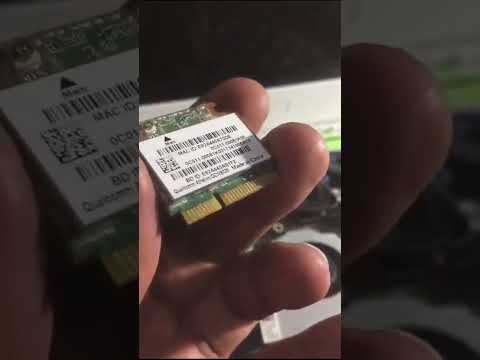
Title: Kartu Wifi Asus X441N Memperbaiki dan mengganti laptop belajarlaptop
Channel: Electronics Skills
Kartu Wifi Asus X441N Memperbaiki dan mengganti laptop belajarlaptop by Electronics Skills
Laptop Wifi Hotspot
Laptop WiFi Cards: Unleashing Blazing-Fast Speeds You Crave
Are you tired of buffering streams, sluggish downloads, and the general frustration of a slow wireless connection on your laptop? In today’s hyper-connected world, a reliable and blazing-fast WiFi connection is no longer a luxury; it’s an absolute necessity. The good news? You can dramatically upgrade your laptop's wireless performance with the right WiFi card. This comprehensive guide will navigate you through the intricacies of laptop WiFi cards, ensuring you choose the perfect component to catapult your connectivity into the stratosphere. Prepare to bid farewell to lag and hello to seamless online experiences.
Understanding the Core: What Is a Laptop WiFi Card?
At its heart, a laptop WiFi card, also often referred to as a Network Interface Card (NIC), is the piece of hardware responsible for allowing your laptop to connect to a wireless network. It translates the digital data from your device into radio waves, and vice versa, enabling communication with your router. These cards are typically small, integrated components designed to fit snugly within a laptop’s internal structure. The importance of a quality WiFi card cannot be overstated. It determines your speeds, the reliability of your connection, and the range at which you can connect to your network.
Decoding the Wireless Alphabet Soup: Key WiFi Standards
The evolution of WiFi technology has resulted in a series of standards, each offering improvements in speed, range, and efficiency. Understanding these standards is crucial for making the right choice. Let’s demystify the key players:
- 802.11a: An older standard, operating on the 5 GHz band, offers speeds up to 54 Mbps. It's less relevant today but good to know for backward compatibility.
- 802.11b: Another older standard, operating on the 2.4 GHz band, with speeds up to 11 Mbps. Generally, this is not ideal for modern use.
- 802.11g: Improved on 802.11b, also using the 2.4 GHz band, and offering speeds up to 54 Mbps. Still usable, but not optimal for modern use.
- 802.11n: Often referred to as WiFi 4, operates on both 2.4 GHz and 5 GHz bands, offering speeds up to 300 Mbps. A solid entry-level choice.
- 802.11ac: Often referred to as WiFi 5, operates primarily on the 5 GHz band, boasting significantly faster speeds, up to 1.3 Gbps. Excellent for most users.
- 802.11ax: Also known as WiFi 6, the latest standard that operates on both 2.4 GHz and 5 GHz bands. It offers enhanced speeds, improved efficiency, and better network capacity, with a theoretical maximum speed of 9.6 Gbps. It's the future of WiFi.
- 802.11be: Also known as WiFi 7, is the upcoming standard that is set to offer even faster speeds and lower latency compared to WiFi 6.
Choosing the Right WiFi Card: Key Considerations for a Seamless Experience
Selecting the correct WiFi card for your laptop requires careful consideration of several factors:
- Compatibility: The most critical factor. Ensure that the WiFi card is designed to fit your laptop's specific slot. Most modern laptops use either an M.2 slot (formally known as Next Generation Form Factor, or NGFF) or, in some older models, a Mini PCI-e slot. Double-check your laptop's specs or consult the service manual before making a purchase.
- WiFi Standard Support: Opt for a card supporting at least 802.11ac (WiFi 5) or, ideally, 802.11ax (WiFi 6). This will ensure you benefit from the latest speeds and features. If you are investing in new hardware, consider WiFi 6 and beyond.
- Dual-Band vs. Tri-Band: Dual-band cards operate on both 2.4 GHz and 5 GHz frequencies. Tri-band cards add a second 5 GHz band, providing even more bandwidth and fewer potential bottlenecks, particularly useful in crowded network environments.
- Antenna Configuration: The number of antennas significantly impacts performance. Look for cards with at least 2x2 (two transmit, two receive) or, for the ultimate performance, 3x3 or even 4x4 configurations. More antennas generally translate to improved range and speed.
- Bluetooth Integration: Many WiFi cards include integrated Bluetooth functionality. This allows your laptop to connect wirelessly to various devices, such as headphones, speakers, and peripherals. Consider whether this feature is important to you.
- Budget: WiFi cards range in price. Determine your budget and prioritize features accordingly. Keep in mind that investing in a higher-quality card can provide a significant return in terms of performance and longevity.
- Features: Do you require advanced features, like MU-MIMO (Multi-User, Multiple-Input, Multiple-Output), which allows your router to communicate with multiple devices simultaneously, or Beamforming, which directs the WiFi signal toward your device for improved connection strength?
Unleashing Maximum Performance: Installation and Configuration
Installing a new WiFi card is typically a straightforward process, but it’s crucial to proceed with care:
- Power Down and Disconnect: Turn off your laptop and unplug the power adapter.
- Access the Internal Components: Depending on your laptop model, you may need to remove the bottom panel. Consult your laptop's service manual for specific instructions.
- Locate the WiFi Card Slot: Identify the M.2 or Mini PCI-e slot.
- Remove the Old Card (If Applicable): Carefully detach any antenna cables attached to your existing card and unscrew the card from the slot.
- Install the New Card: Align the new card with the slot and insert it at a slight angle, then screw it in securely. Reconnect the antenna cables.
- Reassemble Your Laptop: Replace the bottom panel and screws.
- Install Drivers: Power on your laptop, and install the necessary drivers for your new WiFi card. Drivers are usually available on the manufacturer's website.
Maximizing Your WiFi Card's Potential: Optimizing Your Home Network
A high-performance WiFi card is only as effective as its supporting network. Here are some tips to optimize your home network:
- Router Capabilities: Ensure your router supports the same WiFi standard as your new card. Upgrading your router can further enhance your performance.
- Router Placement: Position your router in a central location and away from obstructions like walls and metal objects.
- Channel Selection: Use a WiFi analyzer app to identify the least congested WiFi channels in your area. Adjust your router's settings accordingly.
- Firmware Updates: Keep your router's firmware updated to enhance performance and security.
- Security: Secure your network with a strong password and enable WPA3 encryption.
Top-Tier WiFi Cards: Recommendations for Peak Performance
While specific recommendations vary based on availability and budget, here are some of the top-performing WiFi cards in the market:
- For the Enthusiast: Intel Wi-Fi 6E AX210. Offers exceptional speeds, low latency, and support for the 6 GHz band.
- For the Gamer: Killer Wi-Fi 6 AX1650x. Designed with gamers in mind, it provides low latency and prioritized network traffic.
- For the Budget Concious: Intel Wi-Fi 6 AX200. Still impressive with the latest standard WiFi 6, without the higher price tag.
Troubleshooting Common WiFi Problems
Even with a top-of-the-line WiFi card, occasional issues can arise:
- Slow Speeds: Test your internet speed using an online speed test. If the speeds are consistently low, troubleshoot your router settings, or contact your ISP.
- Intermittent Connections: Check the antenna connections on your WiFi card and router. Consider relocating your router to improve signal strength.
- Driver Issues: Re-install your WiFi card drivers from the manufacturer's website.
- Router Interference: Identify and resolve potential sources of interference, such as microwave ovens and other electronic devices.
The Future of Wireless Connectivity: What to Expect
The world of wireless technology is constantly evolving. Future WiFi standards, such as WiFi 7 (802.11be), promise even faster speeds, reduced latency, and enhanced network capacity. Keep an eye on these advancements as they become available to ensure your laptop remains at the forefront of connectivity.
Conclusion: Transform Your Laptop's Connectivity
Upgrading your laptop's WiFi card is a powerful way to unlock blazing-fast speeds, eliminate frustrating lag, and experience the true potential of wireless connectivity. By understanding the technology, choosing the right card, and optimizing your home network, you can transform your laptop into a powerhouse of performance. So, take the plunge, upgrade your WiFi, and prepare to experience a world of seamless streaming, lightning-fast downloads, and unparalleled online experiences. Your productivity, entertainment, and overall online satisfaction will thank you.
